

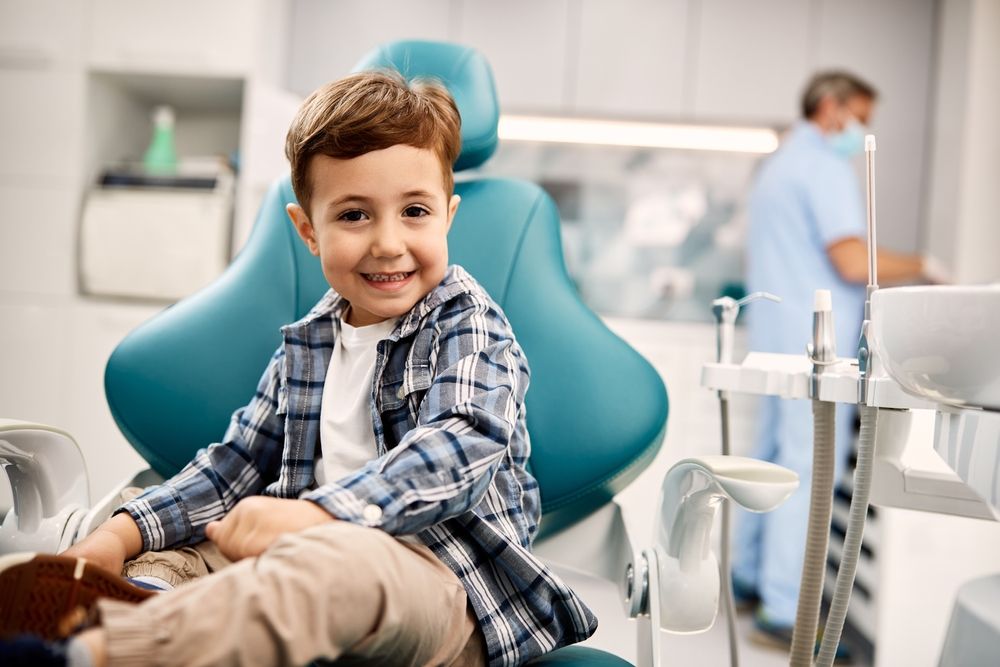
Children’s oral health requires special attention, as dental problems in early years can affect lifelong oral development, nutrition, and overall well-being. Tooth decay, gum disease, misaligned teeth, and enamel erosion are among the most common issues pediatric patients face. Preventing these problems involves a combination of regular dental care, proper oral hygiene, healthy nutrition, and parental guidance. Understanding common dental issues and how to address them helps families create a proactive plan to maintain children’s smiles while minimizing discomfort and costly treatments.
Tooth Decay and Cavities
Tooth decay, or cavities, is one of the most prevalent dental problems in children. It occurs when bacteria in the mouth break down sugars from food and drinks, producing acids that erode tooth enamel. Early signs of cavities include white spots on teeth, sensitivity, and discoloration.
If untreated, decay can progress to painful infections and may require fillings, crowns, or even extractions. Preventing tooth decay begins with daily brushing and flossing using fluoride toothpaste, regular dental checkups, and limiting sugary snacks and beverages. Professional fluoride treatments and dental sealants are additional preventive measures that strengthen teeth and protect children’s smiles from early damage.
Gum Disease in Children
While gum disease is often associated with adults, children can also develop gingivitis, the early stage of periodontal disease. Symptoms include red, swollen, or bleeding gums, bad breath, and tenderness. Poor oral hygiene, plaque buildup, and certain health conditions increase the risk of gum problems in children.
Regular brushing, flossing, and professional cleanings help prevent gingivitis, while early intervention ensures the condition does not progress to more serious periodontal disease. Parents should monitor their child’s gum health and seek dental care promptly if signs of inflammation appear.
Malocclusion and Misaligned Teeth
Misaligned teeth or bite problems, known as malocclusion, can impact chewing, speech, and oral hygiene. Children may develop crowded teeth, overbites, underbites, or crossbites due to genetics, delayed loss of primary teeth, thumb sucking, or prolonged pacifier use.
Orthodontic evaluation during early childhood or pre-adolescence helps identify potential alignment issues and allows timely interventions, such as braces or growth-guiding appliances. Addressing malocclusion early reduces the need for complex procedures later and supports proper jaw and dental development.
Tooth Sensitivity and Enamel Wear
Children may experience tooth sensitivity caused by enamel wear, acid exposure from certain foods, or aggressive brushing. Signs include discomfort when eating hot, cold, or sweet foods. While sensitivity can be temporary, prolonged exposure to acidic foods or poor brushing habits can lead to permanent enamel loss and increased cavity risk.
Parents should guide children to brush gently with soft-bristled toothbrushes, rinse after consuming acidic foods or drinks, and schedule regular dental visits to monitor enamel health. Professional treatments, such as fluoride varnishes, can strengthen enamel and reduce sensitivity.
Dental Emergencies: Chips, Cracks, and Trauma
Active children are at higher risk for dental trauma, including chipped or cracked teeth, knocked-out teeth, and injuries to the gums or jaw. Prompt attention is critical for preserving damaged teeth and preventing infections.
Families should be prepared with basic first-aid knowledge for dental emergencies, including saving broken tooth fragments in milk and seeking immediate care from a dentist. Using mouthguards during sports and ensuring safe play environments can significantly reduce the risk of dental trauma in children.
Encouraging Healthy Oral Habits
Preventing dental problems in children goes beyond professional care. Parents play a vital role in establishing healthy habits at home. Supervised brushing twice a day, daily flossing, and regular rinsing with water or child-friendly fluoride mouthwash reinforce oral hygiene routines. Limiting sugary snacks, promoting balanced diets rich in calcium and vitamins, and encouraging water consumption support strong teeth and healthy gums.
Discouraging thumb sucking, nail-biting, and prolonged pacifier use also helps prevent bite and alignment issues. Consistency in these daily practices ensures that children develop lifelong habits that promote oral wellness.
Integrating Regular Dental Visits
Routine dental checkups are essential for early detection and management of oral problems. Dentists provide professional cleanings, monitor growth and development, evaluate bite alignment, and apply preventive treatments such as fluoride and sealants.
For children with special oral health concerns or higher cavity risk, dentists can tailor visits and treatments to meet their needs. Establishing a positive experience at the dental office encourages children to maintain regular visits throughout life and reduces anxiety about dental care.
FAQ’s
What is the best age for a child’s first dental visit?
Children should see a dentist by age one or when the first tooth appears to ensure early guidance and preventive care.
How can parents prevent cavities at home?
Regular brushing with fluoride toothpaste, daily flossing, limiting sugary foods and drinks, and providing water between meals help prevent cavities.
Are dental sealants safe for children?
Yes, dental sealants are safe and highly effective in protecting molars from cavities by covering grooves that are hard to clean.
What should I do if my child knocks out a tooth?
Rinse the tooth gently, keep it moist in milk, and seek immediate dental care to increase the chance of successful reimplantation.
Can habits like thumb sucking really affect teeth?
Prolonged thumb sucking can cause misalignment, bite issues, and jaw problems. Early intervention and guidance from a dentist can prevent long-term effects.
Conclusion
Preventing dental problems in children requires a proactive approach that combines professional care, proper oral hygiene, healthy nutrition, and lifestyle habits. Families who prioritize dental wellness can significantly reduce the risk of cavities, gum disease, misalignment, and dental trauma. Early intervention, consistent monitoring, and education empower children to take responsibility for their oral health while providing parents with the tools to support lifelong healthy smiles. By fostering these habits and maintaining regular dental visits, families ensure that children enjoy strong, resilient teeth and confident smiles for years to come.
