

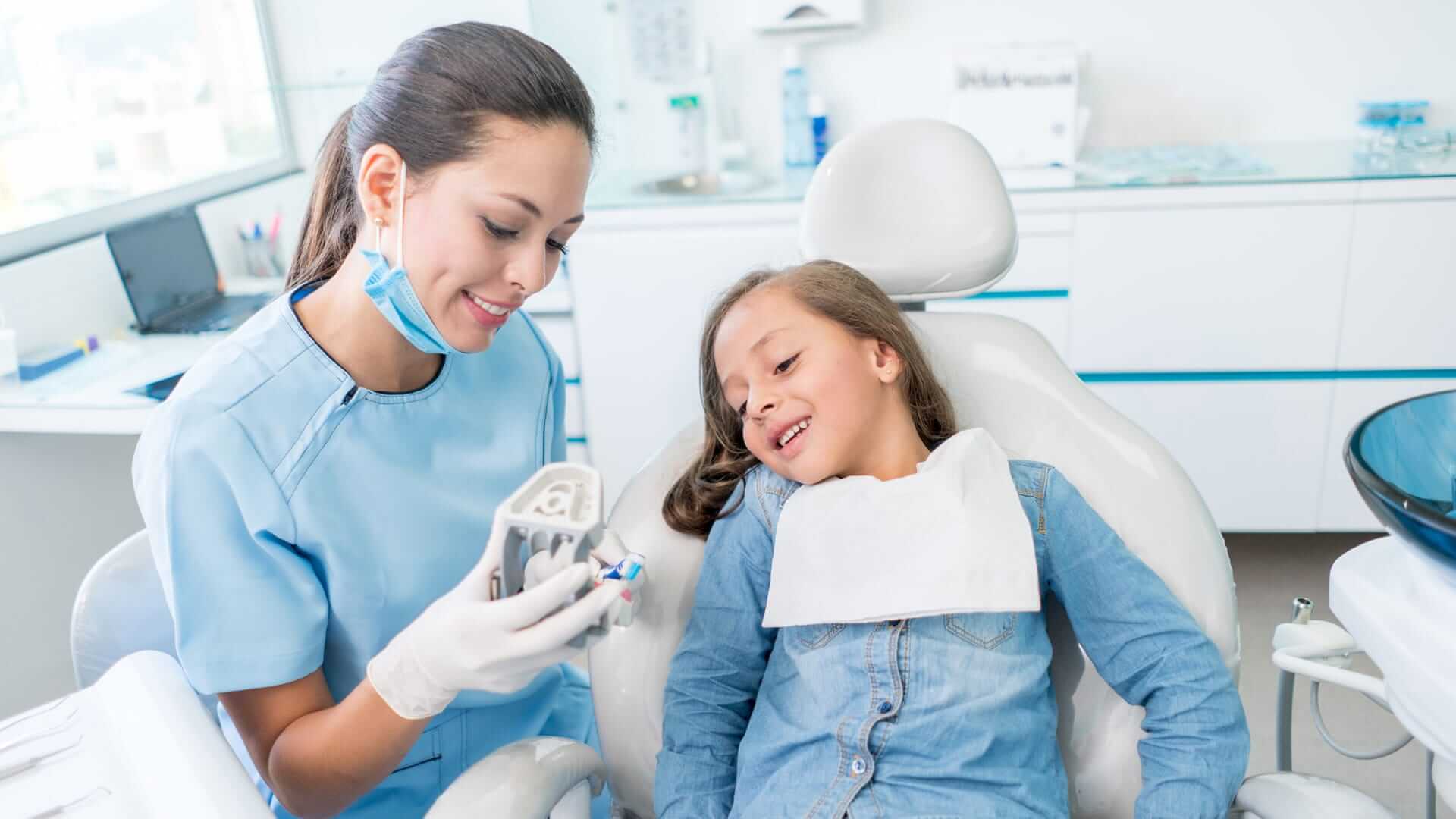
Regular dental care is one of the most important steps families can take to maintain healthy teeth and gums for every member, from young children to seniors. Preventive dentistry focuses on avoiding oral problems before they become serious, emphasizing early detection, consistent hygiene practices, and professional guidance. Many families underestimate the importance of routine visits, believing that brushing and flossing alone are sufficient. While daily oral hygiene is crucial, it cannot replace the benefits of professional care, which includes early identification of cavities, gum disease, and developmental issues in children. Incorporating preventive dentistry into family routines ensures long-term oral health and reduces the need for complex treatments later.
Addressing the Needs of Each Family Member
Preventive dental care begins with understanding each family member’s unique needs. Children require special attention as their teeth and jaws grow, and habits like thumb sucking, bottle-feeding, or improper brushing techniques can affect alignment and oral development. Regular dental examinations monitor tooth eruption, identify cavities, and allow dentists to apply protective sealants or fluoride treatments.
For teenagers, preventive care involves assessing bite alignment, monitoring wisdom teeth, and addressing orthodontic concerns early. Adults benefit from preventive visits by identifying early signs of gum disease, enamel erosion, or other oral health issues. Seniors, meanwhile, require monitoring for gum recession, tooth loss, or complications from medications that affect oral moisture. By addressing each age group’s needs proactively, families can maintain strong, healthy teeth throughout life.
Professional Cleanings and Oral Hygiene Guidance
Professional cleanings play a vital role in preventive dentistry, removing plaque and tartar that cannot be eliminated with home brushing alone. Plaque buildup is a primary contributor to cavities and gum disease, and when left untreated, it can lead to painful infections or tooth loss. Dental hygienists use specialized tools to thoroughly clean teeth, focusing on areas that are difficult to reach, such as between molars and along the gumline.
In addition to cleaning, dentists provide guidance on proper brushing techniques, flossing methods, and the use of fluoride toothpaste or rinses. They also advise on dietary habits that can affect oral health, such as limiting sugary snacks and beverages and including foods rich in calcium and vitamin D to support strong teeth and bones.
Education and Lifelong Habits
Education is another cornerstone of preventive dental care. Dentists and hygienists educate parents and children on establishing lifelong oral hygiene habits, including brushing at least twice daily, flossing once per day, and understanding the importance of regular dental visits. Children learn that proper care prevents cavities and gum issues, while adults gain strategies to maintain oral health as they age.
Preventive education also covers the impact of habits such as nail-biting, teeth grinding, or chewing ice, all of which can cause long-term dental damage. By fostering awareness and consistent habits, families can significantly reduce the likelihood of dental emergencies or extensive restorative procedures.
Early Detection of Oral Health Problems
Preventive dental care also includes early detection of oral conditions beyond cavities and gum disease. Dentists screen for oral cancer, which can develop even in young adults, and monitor for signs of temporomandibular joint disorders, misaligned bites, and developmental anomalies. For children, preventive care extends to monitoring jaw growth and recommending orthodontic evaluations when necessary.
Addressing potential problems early reduces the need for complicated treatments and ensures that interventions are less invasive and more effective. Families who maintain regular checkups often report fewer emergency visits and improved overall oral health, illustrating the long-term benefits of preventive dentistry.
Lifestyle Practices for Family Oral Health
Lifestyle practices complement preventive dental visits. Daily oral hygiene, balanced nutrition, and limiting sugar consumption are essential for maintaining healthy teeth and gums. Drinking water throughout the day supports saliva production, which naturally protects teeth from decay. For children, establishing consistent routines around brushing and flossing helps instill lifelong habits, while parents can model positive behaviors that encourage proper oral care. In addition, limiting habits like thumb-sucking or prolonged bottle use prevents alignment issues and promotes proper jaw development.
Adults can focus on avoiding tobacco products and excessive caffeine, both of which negatively impact oral health. These lifestyle strategies, combined with professional guidance, create a holistic approach to preventive care for the entire family.
Long-Term Benefits of Preventive Dental Care
Regular preventive care also reduces long-term dental costs. Treating cavities, gum disease, or tooth loss after symptoms appear often requires extensive procedures such as fillings, crowns, root canals, or even extractions.
Preventive dentistry identifies and addresses issues before they escalate, saving both time and money while minimizing discomfort for patients. Additionally, families who prioritize dental wellness tend to experience higher overall satisfaction with their oral health, as consistent care prevents pain, bad breath, and other complications that affect daily life.
FAQ’s
How often should my family visit the dentist?
Most dental professionals recommend checkups every six months, though individual needs may vary based on age, oral health, and history of dental issues.
Are dental cleanings safe for children?
Yes, professional cleanings are safe and essential for children, helping prevent cavities and promote healthy development of teeth and gums.
Can preventive care prevent cavities entirely?
While it cannot guarantee complete prevention, consistent checkups, professional cleanings, and proper home care significantly reduce the risk of cavities and other dental problems.
At what age should children start preventive dental care?
Children should visit the dentist by age one or when the first tooth erupts to establish a foundation for lifelong oral health.
Do adults benefit from preventive dental visits even if they brush and floss daily?
Yes, professional care detects issues invisible to the naked eye, removes hardened tartar, and provides personalized advice to maintain long-term oral health.
Conclusion
Preventive dental care is the foundation for strong teeth, healthy gums, and lifelong smiles. For families, incorporating regular checkups, professional cleanings, proper oral hygiene, and healthy lifestyle habits ensures that children and adults alike maintain optimal oral health. By prioritizing preventive care, families can avoid costly and painful dental procedures, promote confidence in their smiles, and establish habits that support wellness across generations. Investing in preventive dentistry is an investment in the long-term health and happiness of every family member.
